
Asbestos Pipe Insulation Removal in Reading, PA
AbateGuard Asbestos Removal strips asbestos pipe lagging, elbow fittings and boiler insulation from basements, crawl spaces and mechanical rooms across Reading. Our crews are Pennsylvania-licensed for thermal system insulation work and handle everything from a single corroded elbow to a full basement run. Call (610) 673-3720 for a linear-foot quote.
Asbestos pipe insulation removal is the licensed abatement of thermal system insulation — air-cell wrap, corrugated paper lagging and cement mudded elbows — from heating and steam pipes. It serves homeowners, landlords and building managers in Reading, PA, and is priced per linear foot of pipe rather than by square footage.
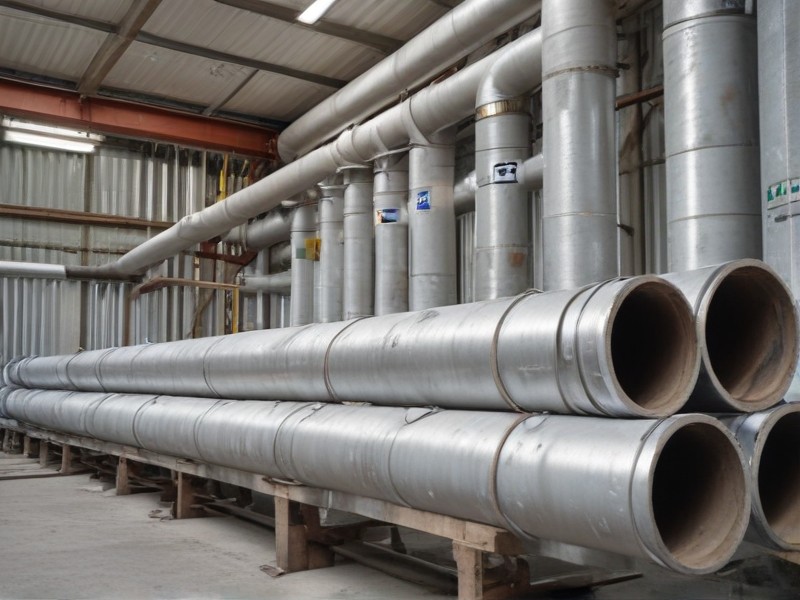
Pipe insulation is the most hazardous asbestos material commonly found in older Reading homes. Unlike floor tile or roofing, thermal system insulation is friable: the white or grey air-cell wrap and the hard plaster-like "mud" packed around elbows and valves release fibers with the slightest contact. Decades of boiler heat, moisture and basement traffic leave this material cracked, crumbling and shedding onto storage boxes and the basement floor.
Homes built with coal-converted gravity heating systems — common throughout Reading's older neighborhoods — almost always have some form of asbestos lagging on the supply and return lines. Problems we are called for include insulation knocked loose during a boiler replacement, debris found after a basement flood, a home inspection report flagging pipe wrap before settlement, and contractors refusing to run new ductwork or electrical until the lagging is gone.
AbateGuard specializes in this category of work rather than treating it as an add-on. Thermal system insulation removal requires glovebag technique or full negative-pressure containment, a trained crew that understands mudded fitting demolition, and correct handling of the debris that has already fallen. We are licensed and insured in Pennsylvania, notify the state where required, and provide written air clearance results and manifests documenting legal disposal. Homeowners get a firm linear-foot price before we start, and landlords get documentation that satisfies lenders, buyers and insurers.
What Our Asbestos Pipe Insulation Removal Service Covers
Work begins with a scope walk to measure pipe runs in linear feet, count mudded fittings, and identify whether the material is intact or already damaged. Straight-run lagging in good condition can often be removed with glovebags — sealed sleeves fitted around the pipe so the wrap is cut, wetted and bagged without releasing fibers into the room. Heavily damaged material, extensive fitting cement, or debris scattered across a basement floor requires full containment instead.
For containment jobs, we seal the work area with two layers of 6-mil polyethylene, isolate return air and heating registers, and install a HEPA-filtered negative air machine that exhausts outside and keeps fibers from migrating upstairs. A decontamination chamber is built at the entry. Crews work in disposable suits and fitted respirators. All material is amended-water misted before it is touched, cut away in sections, and double-bagged in labeled 6-mil asbestos waste bags.
Mudded elbows, tees and valve packs take the longest. This cement-like insulation was troweled on by hand and does not peel; it must be wetted repeatedly and broken down in place. After removal, pipes are wire-brushed to bare metal, wiped down, and encapsulated so residual fiber is locked in. Floors, joists and ledges in the work area are HEPA vacuumed and wet wiped — twice — because fallen debris is usually the bigger exposure risk.
Included in every project: PA DEP/state notification where thresholds apply, all containment and PPE, removal and disposal at a licensed landfill, waste manifests, final cleaning, and third-party air clearance sampling by an independent industrial hygienist.
Timeline for a typical Reading rowhome or single-family basement — 40 to 120 linear feet with a dozen fittings — is one to two working days, plus overnight clearance lab turnaround before the area is released. Whole-building mechanical rooms and multi-unit properties run three to five days. Boiler and pipe replacement can be scheduled immediately after clearance; we coordinate directly with your HVAC or plumbing contractor so the trades do not collide.
Benefits of Professional Asbestos Pipe Insulation Removal
Priced by linear foot
Pipe insulation is quoted per linear foot of run plus a set price per mudded fitting, so you see exactly how the number was built. No vague lump sums. Measurements are taken on site, and the written quote is the price you pay unless hidden pipe runs are uncovered behind finished walls.
Glovebag method saves money
Where the lagging is still intact, glovebag removal avoids building full containment and can cut project cost substantially. We assess honestly which method your pipes actually need instead of defaulting to the most expensive approach on every basement.
Debris cleanup included
Most basements with failing pipe wrap already have fallen insulation on the floor, joists and stored belongings. Our scope includes HEPA vacuuming and double wet wiping of the work area, because leaving settled fiber behind defeats the purpose of removing the source.
Independent air clearance
Final air sampling is performed by a third-party industrial hygienist, not by us. You receive lab-reported fiber counts proving the space meets clearance criteria, which protects you at resale and satisfies lenders, insurers and prospective buyers.
Pipes left ready for reinsulation
After removal, pipes are brushed to bare metal, wiped and encapsulated so your plumber or HVAC contractor can install new fiberglass or foam insulation immediately. No waiting, no second mobilization, no finger-pointing between trades.
Full disposal documentation
Waste leaves in labeled, sealed 6-mil bags and goes to a permitted landfill that accepts asbestos. You get signed manifests and the notification paperwork for your property file — the records buyers, attorneys and township officials ask for later.
How Our Asbestos Pipe Insulation Removal Process Works
On-site measurement and quote
We walk the basement or mechanical room, measure pipe runs in linear feet, count mudded fittings, photograph damage, and note access constraints like low crawl spaces or finished ceilings. You receive a written scope and fixed price, including whether glovebag or full containment applies.
Notification and scheduling
Required state notification is filed ahead of the work window, and we coordinate your start date around boiler, plumbing or renovation schedules. Utilities and heating systems are shut down and cooled before crews touch anything hot.
Isolation and containment setup
Registers and return ducts are sealed, floors and stored items protected or removed, and either glovebags are fitted to the pipes or a 6-mil poly enclosure with HEPA negative air and a decon chamber is built at the entry.
Wet removal of lagging and fittings
Insulation is saturated with amended water, cut away in controlled sections, and double-bagged immediately. Mudded elbows and valve cement are wetted repeatedly and broken down in place. Nothing is removed dry at any point.
Pipe prep, cleaning and encapsulation
Bare pipe is wire-brushed and wiped, then encapsulated with sealant. The work area is HEPA vacuumed and wet wiped twice, including joists, ledges and floors, before containment stays up for the clearance test.
Air clearance and handover
An independent hygienist samples the air inside containment. Once results meet clearance criteria, poly is removed as waste, and you receive lab reports, disposal manifests and notification copies. The space is then released for reinsulation or renovation.
Frequently Asked Questions
Common questions about asbestos pipe insulation removal
Pipe insulation removal in Reading is typically priced between $18 and $40 per linear foot, with mudded elbows and fittings charged individually. Small jobs carry a minimum mobilization fee of roughly $1,200 to $2,000 because containment, HEPA equipment, disposal and clearance testing are required regardless of size. Exact pricing comes from an on-site measurement.
Most residential basement projects take one to two working days of removal, plus overnight lab turnaround on the clearance samples. The work area stays sealed until clearance passes, usually releasing the space on the second or third day. Larger mechanical rooms and multi-unit buildings run three to five days.
Most homeowners stay in the house during basement pipe insulation removal. The work area is sealed under negative pressure with air exhausted outdoors, and the HVAC system is shut down and isolated. Households with infants, immune-compromised members, or a project spanning multiple floors may prefer to stay elsewhere for the removal days.
Pennsylvania requires notification to the state for regulated asbestos abatement projects above set thresholds, and AbateGuard files that paperwork as part of the job. Residential single-family work often falls below notification thresholds, but licensed procedures, disposal manifests and clearance testing still apply. Commercial and rental properties in Reading are almost always notifiable.
Pipe wrap is removed while the piping stays in service in the majority of our projects. The system must be cooled and shut off during removal, then pipes are cleaned, encapsulated and ready for new fiberglass or foam insulation. If the pipes themselves are being replaced, abatement is scheduled before the plumber begins.
Fallen debris is treated as asbestos waste and is included in our scope. Loose material is misted, collected and bagged, then the floor, joists and ledges are HEPA vacuumed and wet wiped twice. Porous stored items too contaminated to clean are disposed of, and we identify those before work begins.
Every completed project closes with a package containing independent air clearance lab results, disposal manifests from a permitted landfill, state notification copies where applicable, and our license and insurance certificates. Reading homeowners commonly need these documents at resale, and lenders or buyers' attorneys frequently request them.
Removal work is backed by our workmanship guarantee and validated by third-party air clearance testing, which is the industry standard measure of a successful abatement. Because the asbestos material is physically gone rather than covered, there is nothing to fail later. Encapsulation of the cleaned pipe surfaces is warranted for one year.
Service Areas
We proudly serve these locations
Need Asbestos Pipe Insulation Removal in Reading, PA?
Contact us today for a free estimate
Call (610) 673-3720