
Asbestos Floor Tile Removal in Reading, PA
AbateGuard Asbestos Removal takes out 9x9 and 12x12 vinyl asbestos tile, cutback mastic and asbestos-backed sheet flooring from homes and commercial buildings across Reading. Our crews are Pennsylvania-licensed, work under containment, and leave the subfloor ready for your new flooring. Call (610) 673-3720 to price your floor.
Asbestos floor tile removal is the controlled demolition and disposal of vinyl asbestos tile, black cutback mastic and asbestos-backed sheet flooring. It serves homeowners, landlords, contractors and building owners in Reading, PA who are renovating or selling. Work is performed under containment by licensed abatement crews and waste goes to a permitted landfill.
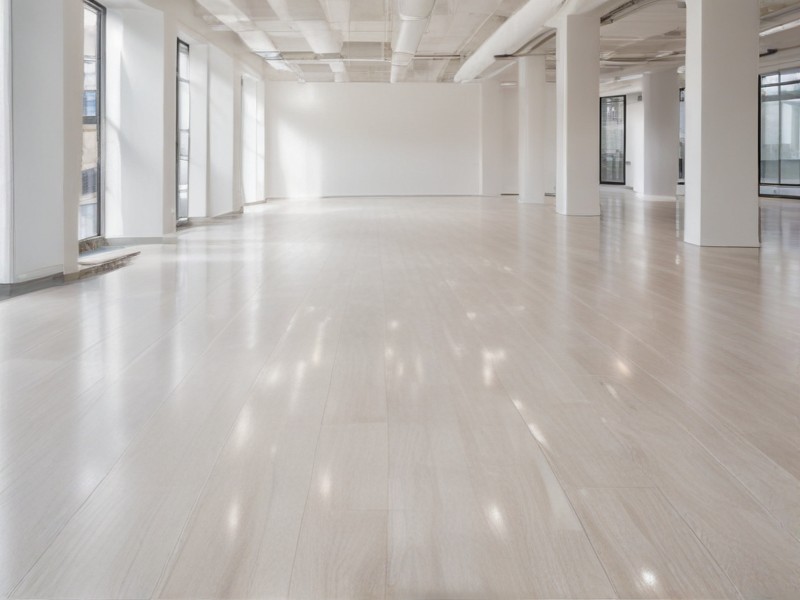
Vinyl asbestos tile was installed in millions of American buildings between the 1920s and the early 1980s, and Reading's older row homes, schools and commercial spaces are full of it. The tile itself is usually 9x9 inches, sometimes 12x12, and the black adhesive underneath, known as cutback mastic, frequently contains asbestos even when the tile does not. Intact tile sitting under carpet is generally not dangerous. The problem starts when someone grinds, sands, scrapes or breaks it during a remodel, because that releases fibers into the air of a space people will live in afterward.
This service solves a specific renovation roadblock: you want new flooring, the old floor is bonded to the slab or subfloor, and you cannot legally or safely hand a floor sander to a general contractor. It also solves problems at sale, where an inspector flags suspect flooring and the buyer wants documentation before closing.
AbateGuard handles floor tile as its own discipline rather than as an add-on. We know which mastic solvents work on Berks County slab-on-grade construction, how to lift tile in whole pieces instead of shattering it, and how to protect adjoining rooms in an occupied home. Our crews are licensed by the Pennsylvania Department of Labor and Industry, and every job closes out with disposal manifests you can hand to a buyer, lender or inspector.
What Our Asbestos Floor Tile Removal Service Covers
Every floor tile project starts with confirmation that asbestos is actually present. If you have not had a sample analyzed, we collect one and send it to an accredited laboratory. Testing both the tile and the mastic separately matters, because the two materials are frequently different and pricing changes depending on which one is positive.
Once abatement is confirmed, we scope the work area. Flooring is a non-friable material in its intact state, which means removal methods that avoid breaking it can often be performed without full negative-pressure enclosure. We still isolate the work area with polyethylene sheeting, seal HVAC registers and doorways, and run HEPA air filtration. If the tile is already cracked, crumbling or bonded so tightly that mechanical grinding is unavoidable, the job becomes friable work and we build a full containment with decontamination access.
Removal itself is done wet. Crews use long-handled floor scrapers, infrared heat units and hand chisels to lift tile in intact pieces rather than fragmenting it. Cutback mastic is treated with a low-odor citrus or soy-based solvent and scraped off rather than sanded. Dry grinding and power sanding are never used on asbestos mastic. Debris is double-bagged in 6-mil labeled disposal bags, sealed, and transported to a landfill permitted to accept asbestos waste.
After removal, the space receives a HEPA vacuum pass, wet wipe-down of all horizontal surfaces, and a second HEPA vacuum. On larger or friable projects, a third-party air monitoring firm performs clearance sampling before containment comes down.
Typical timelines: a single room of roughly 200 square feet is usually a one-day job. A full row-home first floor or a 1,500 square foot basement runs two to three days. Commercial spaces over 5,000 square feet are scheduled in phases so the building can stay partially operational. Laboratory clearance results add 24 to 48 hours. You receive a completion package with waste manifests, air clearance data where applicable, and before-and-after documentation.
Benefits of Professional Asbestos Floor Tile Removal
Tile and Mastic Both Handled
Many contractors pull the tile and leave the black adhesive behind, which stops your flooring installer cold. We remove the cutback mastic with solvent and scraping in the same mobilization, delivering a clean subfloor or slab that is ready for underlayment, thinset or new vinyl plank without a second abatement visit.
No Dry Grinding, Ever
Power sanding and dry grinding asbestos mastic is the single fastest way to contaminate a building. Our crews work wet, use infrared heat and solvent, and lift tile intact. That discipline keeps fiber counts low, keeps your household safe, and keeps the job compliant with Pennsylvania and EPA standards.
Documentation for Closing
You receive laboratory analysis, licensed contractor records, signed waste manifests and clearance air data where required. Buyers, lenders, title companies and Reading code officials accept this package as proof the flooring was removed legally, which prevents last-minute delays on a real estate transaction.
Occupied Home Capability
Most floor tile projects do not require you to move out. We seal the work area, isolate the HVAC system, maintain HEPA filtration and set up a separate entry path so the rest of the house stays usable. We confirm occupancy plans during the estimate so there are no surprises.
Licensed Pennsylvania Crews
Every technician holds current Pennsylvania Department of Labor and Industry asbestos worker or supervisor accreditation with annual refresher training. Supervision is on site for the entire removal, not checked in by phone, so containment integrity and wet methods are enforced from the first tile to final cleanup.
Firm Written Pricing
Estimates are given in writing by square foot with mastic removal, containment, disposal and clearance testing itemized separately. You see what drives the number and what is optional. Price changes only if the scope changes, such as discovering a second layer of tile beneath the first.
Fast Turnaround on Small Jobs
Single rooms, entryways, basement floors and stair landings are common in Reading housing stock and often finish in one working day. We keep short-duration slots on the schedule specifically for these projects so a small amount of tile does not hold up an entire kitchen or basement remodel.
How Our Asbestos Floor Tile Removal Process Works
Sampling and Lab Confirmation
We collect separate samples of the tile and the adhesive beneath it and submit them to an accredited laboratory for polarized light microscopy. Results identify which material contains asbestos and at what percentage, which determines the removal method and the price.
Scope and Written Estimate
We measure the floor area, check for multiple tile layers, assess subfloor type and condition, and confirm HVAC layout. You receive an itemized written estimate covering containment, tile removal, mastic removal, disposal and any required clearance testing.
Notification and Scheduling
Commercial and larger residential projects require advance notification to the Pennsylvania Department of Environmental Protection and, where applicable, local authorities. We file the paperwork, observe the waiting period and schedule the crew around your renovation timeline.
Containment Setup
Work areas are isolated with 6-mil polyethylene, HVAC registers are sealed, HEPA negative air machines are placed where required, and warning signage is posted. Adjacent living or working areas are protected with walk-off matting and critical barriers.
Wet Removal of Tile and Mastic
Tile is wetted and lifted intact using scrapers, chisels and infrared heat rather than being broken apart. Cutback mastic is softened with a low-odor solvent and scraped. All debris goes directly into labeled 6-mil double bags as it comes up.
Cleaning, Clearance and Disposal
The area is HEPA vacuumed, wet wiped and HEPA vacuumed again. Where required, an independent consultant runs clearance air sampling before containment is removed. Waste is manifested and delivered to a permitted landfill, and your documentation package is issued.
Frequently Asked Questions
Common questions about asbestos floor tile removal
Asbestos floor tile removal in Reading typically runs between $6 and $15 per square foot, with small jobs carrying a minimum charge of roughly $1,200 to $2,000. Price depends on whether the mastic also tests positive, how tightly the tile is bonded, the subfloor type, and whether full containment and clearance air testing are required.
Cutback mastic frequently contains asbestos and usually has to be removed if you are installing new flooring that requires a clean bonding surface. Some installations allow it to be encapsulated and covered with a floor leveler or underlayment instead. We test the mastic separately and price both options so you can decide.
Covering intact asbestos tile with luxury vinyl plank, laminate or a floating floor is legal and often the least expensive option, since undisturbed tile does not release fibers. This works when the floor is flat, sound and the added height is acceptable at doorways. Removal becomes necessary when tile is loose, cracked or the subfloor needs repair.
A single 200 square foot room usually takes one working day. A full first floor or basement of 1,000 to 1,500 square feet runs two to three days including mastic removal and cleanup. Clearance air sampling, when required, adds 24 to 48 hours before the space is released back to you.
Pennsylvania does not require a permit for an owner-occupied single-family home, but licensed contractors performing the work must follow state worker protection and disposal rules. Commercial buildings and multi-unit residential properties require advance written notification to the Pennsylvania DEP. AbateGuard files all required notifications for Reading-area projects.
Most residential floor tile projects allow occupants to stay in the home, because the work area is fully sealed off from the rest of the house and the HVAC system is isolated. Relocation is recommended when the abatement area includes the only kitchen or bathroom, or when the tile is badly deteriorated and requires full friable containment.
Removed tile and mastic debris are double-bagged in labeled 6-mil polyethylene, sealed, and hauled to a landfill specifically permitted by the Pennsylvania DEP to accept asbestos waste. You receive a signed waste manifest showing quantity, transporter and disposal site, which serves as your legal record of proper handling.
AbateGuard warrants that the designated area is free of visible asbestos-containing floor material and passes any required clearance air testing before we release it. If clearance fails, we re-clean and re-test at no cost. Documentation, manifests and clearance data are provided for your records and for future property transactions.
Layered flooring is common in older Reading homes where new tile was installed directly over old. A second layer is treated as additional scope and is priced when discovered, usually at a reduced per-square-foot rate since containment is already in place. We check for layers during the estimate to limit surprises.
Service Areas
We proudly serve these locations
Need Asbestos Floor Tile Removal in Reading, PA?
Contact us today for a free estimate
Call (610) 673-3720